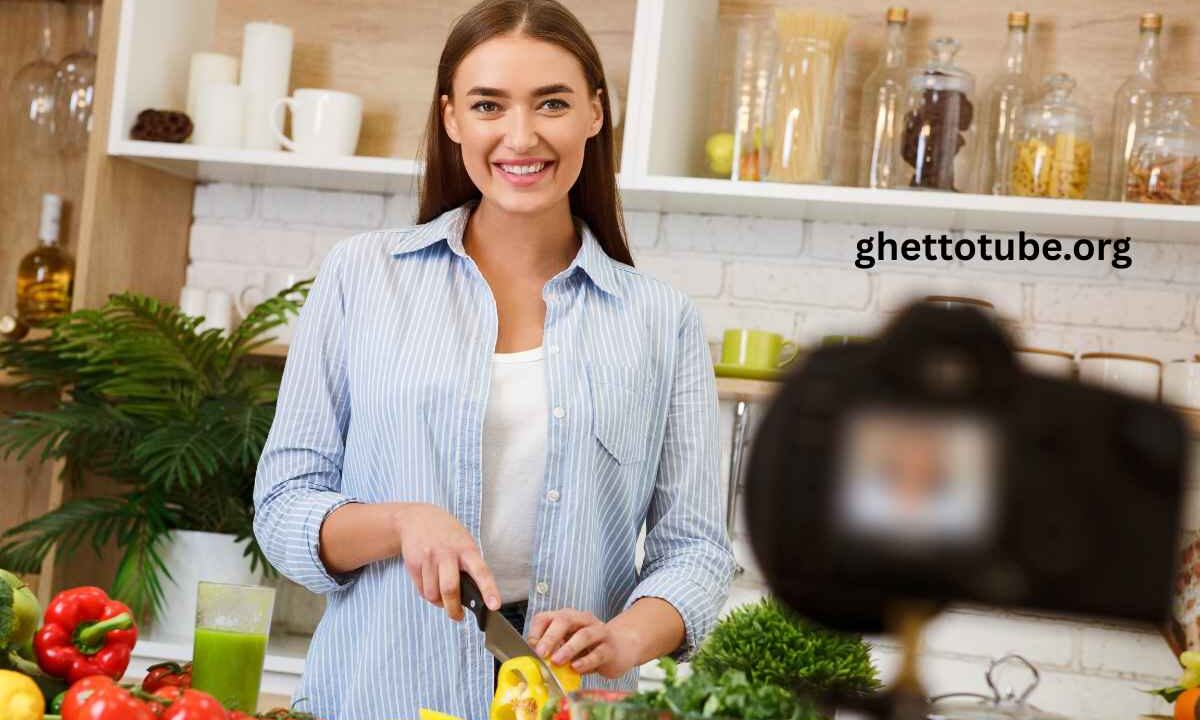
Some of the most watchable food videos are built around very simple dishes. The appeal comes from transformation: raw ingredients become something finished, a technique solves a problem, or a familiar recipe carries a personal or regional story. Good food video makes viewers curious about both the process and the result.
For Food creators, the useful question is not how to imitate the biggest channel. It is how to make the subject clearer, more watchable, and more valuable for the specific audience you want to reach. The ideas below focus on practical craft rather than shortcuts.
Start with the reason this dish matters
A recipe may be quick, inexpensive, nostalgic, seasonal, traditional, or designed for a particular occasion. Sharing that reason gives the viewer context before the ingredient list begins.
It also makes similar recipes feel different because the story comes from a real purpose. The principle sounds basic, but it often separates a watchable video from one that asks the audience to do too much work. Over time, these choices create a more recognizable channel.
Show the decisions that change the result
Viewers benefit from knowing why an ingredient is added, why heat is adjusted, or how texture should look at a key stage. These decision points are more valuable than showing every second of chopping.
The video should spend time where the cook’s judgment matters. Creators can test this by changing one variable at a time and comparing how viewers respond across several uploads. It also gives the audience a clearer reason to return.
Use close-ups to explain texture
Food is sensory, and video cannot provide taste or smell. Close shots of bubbling, browning, kneading, melting, crisping, or sauce consistency help replace some of that missing information.
Natural cooking sounds can also make a simple process feel vivid. For creators, this matters because the viewer is making small decisions every few seconds about whether the video still deserves attention. The objective is clarity, not perfection.
Mistakes can become useful teaching moments
If dough becomes too wet or a sauce begins to split, showing the correction can make the video more practical. Not every mistake needs to remain in the final edit, but real troubleshooting helps viewers succeed when their own kitchen does not behave exactly like the recipe.
A practical way to apply this is to review the footage from the audience’s point of view rather than only from the creator’s memory of filming it. Over time, these choices create a more recognizable channel.
Keep measurements and substitutions clear
Beautiful visuals are not enough if the viewer cannot recreate the dish. Put important quantities in the description or on screen and explain which substitutions are flexible.
Avoid presenting an untested replacement as guaranteed to work. The strongest version usually feels simple on screen because the unnecessary choices were removed before publishing. It also gives the audience a clearer reason to return.
The serving moment should complete the story
The final plate is more satisfying when the audience has seen the journey. Show texture, portion, serving suggestion, or an honest taste reaction.
If the recipe has limitations—best eaten immediately, very spicy, difficult to store—mentioning them makes the conclusion more useful. This also makes the format easier to repeat, which is important when a channel needs quality without turning every upload into a large production. The objective is clarity, not perfection.
Search-friendly publishing without clickbait
Recipe and food-video pages should use the recognizable dish name, cooking method, and a meaningful differentiator when one exists. Include ingredient quantities and key steps in text so the page remains useful even when a viewer cannot play the video. Do not use health or nutrition claims that the content does not support.
For this topic, the focus keyphrase food videos should appear where it helps the reader understand the page, not where it makes a sentence awkward. A natural introduction, descriptive heading structure, concise excerpt, accurate metadata, and related internal links are more useful than repeating the same phrase again and again.
Practical checklist
- Explain why the recipe is worth making.
- Spend screen time on important technique decisions.
- Use close-ups for texture and doneness.
- Include helpful troubleshooting when relevant.
- List measurements clearly and label untested substitutions.
- Finish with serving, texture, and storage notes.
How to apply this on a real channel
Choose one idea from this guide and apply it to the next three food videos rather than changing everything at once. Keep the topic, audience, and publishing conditions as consistent as reasonably possible. After publishing, compare where viewers click, where they leave, what questions appear in comments, and which parts people mention without being prompted.
That approach turns improvement into a repeatable process. A creator does not need to predict every trend. The better long-term advantage is learning what the audience values, improving the production decisions that support that value, and keeping enough flexibility to experiment without losing the identity of the channel.
Common mistakes to avoid in food videos
One common mistake is trying to solve weak positioning with more editing. Extra effects cannot replace a clear reason to watch. Another is making the title broader than the video itself, which can win a click but damage trust when the content does not match the promise.
Creators should also avoid judging a format after one upload. Topic choice, timing, thumbnail quality, audience fit, and distribution can all affect performance. Test a useful idea more than once, review the evidence, and improve the execution before abandoning the format.
Frequently asked questions
Do food videos need professional kitchen lighting?
No. Soft, consistent light and clear framing can make home-kitchen footage look professional.
Should every step appear in a recipe video?
Show every important step, but routine repetition can be shortened. Never cut information the viewer needs to complete the recipe safely and correctly.
Are overhead shots necessary?
No. Overhead views are useful for some preparation steps, while side angles and close-ups may explain texture and heat better.
Related reading
- Why Culture Videos Matter: Preserving Local Stories Online
- Why Some Videos Go Viral: The Psychology of Sharing
Final thoughts
How Food Videos Use Storytelling to Make Simple Recipes Engaging is not about finding a single trick that works forever. Strong video publishing comes from clear ideas, honest presentation, thoughtful editing, and respect for the viewer’s time. Use the principles that fit your style, test them across several uploads, and keep what genuinely improves the experience.