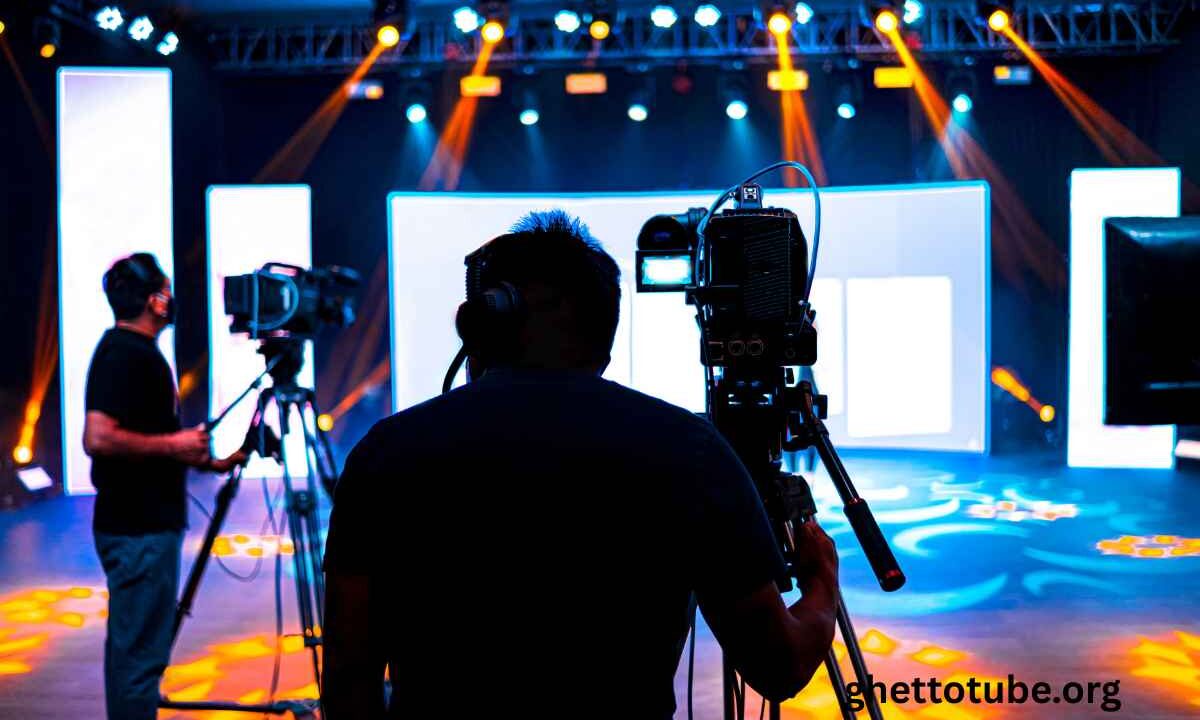
This guide takes a practical look at lifestyle video ideas and the creative decisions behind it. Lifestyle video can cover almost anything from routines and home organization to personal projects, budgeting, productivity, style, or everyday learning. The challenge is that highly polished content can sometimes feel distant from real life. Useful lifestyle videos work because the viewer can take an idea, adapt it, and imagine using it in their own circumstances.
For Lifestyle creators, the useful question is not how to imitate the biggest channel. It is how to make the subject clearer, more watchable, and more valuable for the specific audience you want to reach. The ideas below focus on practical craft rather than shortcuts.
Show the reason behind a routine
A morning routine is more interesting when viewers understand the problem it solves. Maybe the creator needs a quiet hour before children wake up, wants to reduce phone use, or is training for an event.
Context turns a sequence of aesthetic shots into a practical story. For creators, this matters because the viewer is making small decisions every few seconds about whether the video still deserves attention. The objective is clarity, not perfection.
Share systems, not just results
A tidy room, organized desk, or completed project looks satisfying, but the process is usually more valuable. Show how items are sorted, how often a system is maintained, what did not work, and what changed over time.
Viewers can then adapt the method instead of simply admiring the result. A practical way to apply this is to review the footage from the audience’s point of view rather than only from the creator’s memory of filming it. Over time, these choices create a more recognizable channel.
Use realistic constraints
Budget limits, small spaces, busy schedules, shared homes, and imperfect equipment make advice more relatable. A useful video does not need to pretend every viewer has the same resources.
Explaining tradeoffs often builds more trust than presenting one solution as universally best. The strongest version usually feels simple on screen because the unnecessary choices were removed before publishing. It also gives the audience a clearer reason to return.
Progress content can be more engaging than perfection
Learning to cook, building a wardrobe, training consistently, organizing finances, or developing a creative habit all produce natural story arcs. Showing mistakes and adjustments gives the audience something to follow.
It also prevents the channel from feeling like a sequence of finished advertisements. This also makes the format easier to repeat, which is important when a channel needs quality without turning every upload into a large production. The objective is clarity, not perfection.
Recommendations should explain the decision
Product mentions are more useful when they include the actual reason for choosing something, how long it has been used, and what limitations were noticed. A clear explanation helps viewers decide whether the item suits them.
It also keeps lifestyle content from becoming an endless shopping list. The principle sounds basic, but it often separates a watchable video from one that asks the audience to do too much work. Over time, these choices create a more recognizable channel.
Privacy boundaries make sustainable content possible
Creators do not need to show every room, relationship, location, or personal detail to appear authentic. Decide in advance what stays private.
Strong boundaries make it easier to publish consistently without turning normal life into a permanent performance. Creators can test this by changing one variable at a time and comparing how viewers respond across several uploads. It also gives the audience a clearer reason to return.
Search-friendly publishing without clickbait
Lifestyle titles work best when they connect an idea to a real use case such as a small space, limited budget, busy schedule, or beginner routine. Descriptions can summarize the practical benefit without promising life-changing results. That tone is both more believable and more sustainable for long-term search traffic.
For this topic, the focus keyphrase lifestyle video ideas should appear where it helps the reader understand the page, not where it makes a sentence awkward. A natural introduction, descriptive heading structure, concise excerpt, accurate metadata, and related internal links are more useful than repeating the same phrase again and again.
Practical checklist
- Explain what problem a routine solves.
- Show the process as well as the result.
- Mention budget, time, and space constraints when relevant.
- Use progress series for habits and projects.
- Give balanced reasons for recommendations.
- Set clear privacy boundaries before filming daily life.
How to apply this on a real channel
Choose one idea from this guide and apply it to the next three lifestyle videos rather than changing everything at once. Keep the topic, audience, and publishing conditions as consistent as reasonably possible. After publishing, compare where viewers click, where they leave, what questions appear in comments, and which parts people mention without being prompted.
That approach turns improvement into a repeatable process. A creator does not need to predict every trend. The better long-term advantage is learning what the audience values, improving the production decisions that support that value, and keeping enough flexibility to experiment without losing the identity of the channel.
Common mistakes to avoid in lifestyle videos
One common mistake is trying to solve weak positioning with more editing. Extra effects cannot replace a clear reason to watch. Another is making the title broader than the video itself, which can win a click but damage trust when the content does not match the promise.
Creators should also avoid judging a format after one upload. Topic choice, timing, thumbnail quality, audience fit, and distribution can all affect performance. Test a useful idea more than once, review the evidence, and improve the execution before abandoning the format.
Frequently asked questions
Do lifestyle videos need an expensive aesthetic?
No. Clear storytelling, useful details, and consistent visual choices can feel professional without expensive locations or products.
What lifestyle topics work well for beginners?
Routines, organization, simple meals, budget systems, learning projects, home improvements, and realistic habit experiments can all work.
How can lifestyle creators avoid oversharing?
Choose private topics and locations in advance, avoid filming sensitive information, and focus the video on useful ideas rather than total access to personal life.
Related reading
- How Educational Videos Make Difficult Topics Easier to Understand
- How to Make Travel Videos People Actually Want to Watch
Final thoughts
Simple Lifestyle Video Ideas That Feel Useful, Not Staged is not about finding a single trick that works forever. Strong video publishing comes from clear ideas, honest presentation, thoughtful editing, and respect for the viewer’s time. Use the principles that fit your style, test them across several uploads, and keep what genuinely improves the experience.