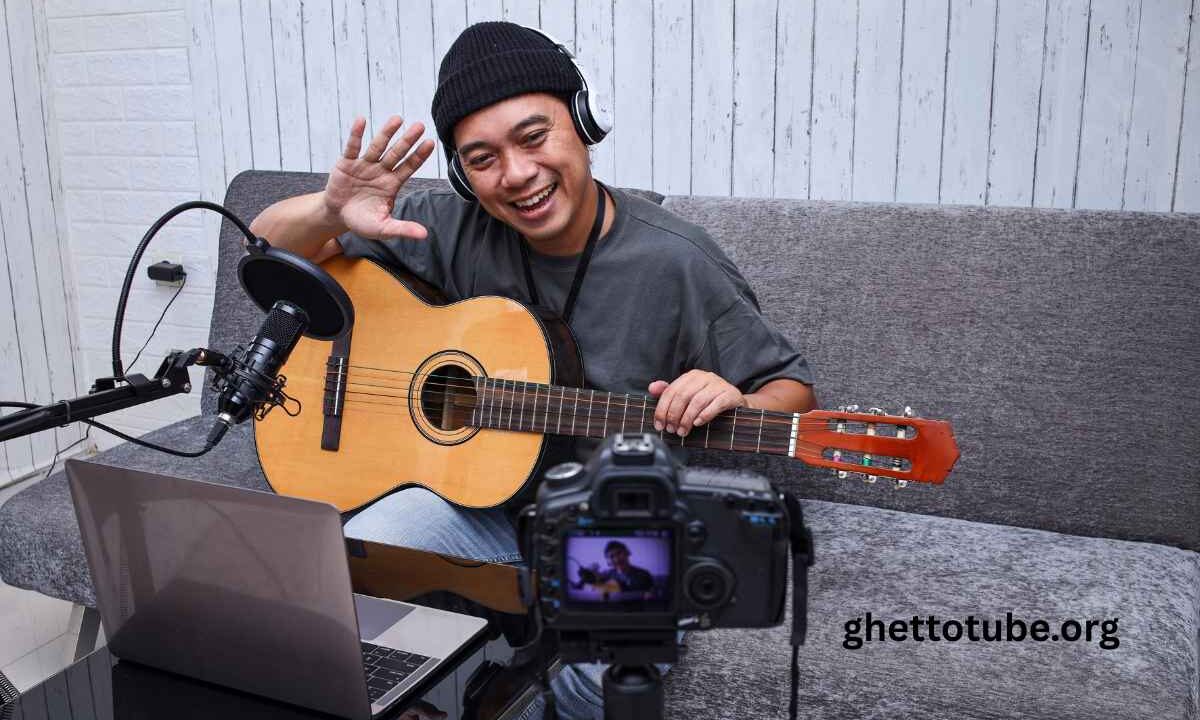
This guide takes a practical look at independent musicians and the creative decisions behind it. For an independent musician, video is more than a way to promote a finished song. It can show the rehearsal, the idea behind a lyric, the personality of the artist, the atmosphere of a live room, and the small decisions that listeners would never hear in the final master. Those details give people more ways to connect with the music.
For Music creators, the useful question is not how to imitate the biggest channel. It is how to make the subject clearer, more watchable, and more valuable for the specific audience you want to reach. The ideas below focus on practical craft rather than shortcuts.
Begin with the song, not the platform
A useful video plan starts by asking what is interesting about the music itself. A distinctive instrument, a lyric with a story, a surprising production choice, or a strong live arrangement can become the center of a clip.
Platform trends should shape presentation, not replace the artist’s identity. A practical way to apply this is to review the footage from the audience’s point of view rather than only from the creator’s memory of filming it. Over time, these choices create a more recognizable channel.
Mix polished performances with simple moments
A cinematic music video can be valuable, but it is difficult to produce every week. Simple performance clips, acoustic versions, rehearsal footage, writing-room notes, and studio updates can keep the audience connected between major releases.
The contrast between polished and informal content can make both feel more meaningful. The strongest version usually feels simple on screen because the unnecessary choices were removed before publishing. It also gives the audience a clearer reason to return.
Turn one release into several stories
A single song can support many video ideas without becoming repetitive. One clip might explain the inspiration, another can focus on a chorus performance, and another can show production layers or a fan reaction.
Each piece should add a new angle rather than repeating the same promotional message. This also makes the format easier to repeat, which is important when a channel needs quality without turning every upload into a large production. The objective is clarity, not perfection.
Make the first seconds musically useful
Long logo animations and greetings can delay the strongest part of the clip. If the goal is music discovery, let viewers hear something memorable early.
A vocal line, riff, beat switch, or visual performance moment can establish value before the caption asks for attention. The principle sounds basic, but it often separates a watchable video from one that asks the audience to do too much work. Over time, these choices create a more recognizable channel.
Invite participation without begging for engagement
Questions work best when they are specific to the creative process. Ask which arrangement feels stronger, which lyric stands out, or what mood a section creates.
This kind of participation gives listeners a genuine role and can produce more thoughtful comments than generic requests to like and share. Creators can test this by changing one variable at a time and comparing how viewers respond across several uploads. It also gives the audience a clearer reason to return.
Build a library, not a one-week campaign
The most useful music videos continue working after release day. Live sessions, lyric explanations, tutorials, stripped-down versions, and behind-the-song stories can introduce older tracks to new listeners.
A growing library makes the artist easier to discover and gives new fans a path through the catalog. For creators, this matters because the viewer is making small decisions every few seconds about whether the video still deserves attention. The objective is clarity, not perfection.
Search-friendly publishing without clickbait
Music pages benefit from clear artist, song, performance, and version information. Distinguish official videos, live sessions, acoustic versions, interviews, and behind-the-song clips in the title and description. That helps both viewers and search engines understand why two videos built around the same song are different.
For this topic, the focus keyphrase independent musicians should appear where it helps the reader understand the page, not where it makes a sentence awkward. A natural introduction, descriptive heading structure, concise excerpt, accurate metadata, and related internal links are more useful than repeating the same phrase again and again.
Practical checklist
- Create several video angles for each release.
- Record clean audio even when the video is casual.
- Show the musician’s point of view, not only promotional artwork.
- Use titles and captions that describe the actual clip.
- Keep ownership and licensing information organized.
- Reuse footage thoughtfully, but give each edit a distinct purpose.
How to apply this on a real channel
Choose one idea from this guide and apply it to the next three music videos rather than changing everything at once. Keep the topic, audience, and publishing conditions as consistent as reasonably possible. After publishing, compare where viewers click, where they leave, what questions appear in comments, and which parts people mention without being prompted.
That approach turns improvement into a repeatable process. A creator does not need to predict every trend. The better long-term advantage is learning what the audience values, improving the production decisions that support that value, and keeping enough flexibility to experiment without losing the identity of the channel.
Common mistakes to avoid in music videos
One common mistake is trying to solve weak positioning with more editing. Extra effects cannot replace a clear reason to watch. Another is making the title broader than the video itself, which can win a click but damage trust when the content does not match the promise.
Creators should also avoid judging a format after one upload. Topic choice, timing, thumbnail quality, audience fit, and distribution can all affect performance. Test a useful idea more than once, review the evidence, and improve the execution before abandoning the format.
Frequently asked questions
Do independent musicians need expensive cameras?
No. Clear sound, steady framing, good light, and an interesting performance usually matter more than expensive equipment.
What video should an artist post between releases?
Rehearsals, acoustic performances, writing stories, gear breakdowns, live moments, and older-song rediscovery clips can all keep the channel active.
Should every video include the full song?
Not necessarily. Short sections can help discovery, while full performances, official videos, or live sessions can serve viewers who want a deeper experience.
Related reading
- What Makes a Comedy Video Shareable Without Feeling Forced
- Gaming Videos for Beginners: Formats, Ideas, and Growth Tips
Final thoughts
How Independent Musicians Can Build an Audience with Video is not about finding a single trick that works forever. Strong video publishing comes from clear ideas, honest presentation, thoughtful editing, and respect for the viewer’s time. Use the principles that fit your style, test them across several uploads, and keep what genuinely improves the experience.